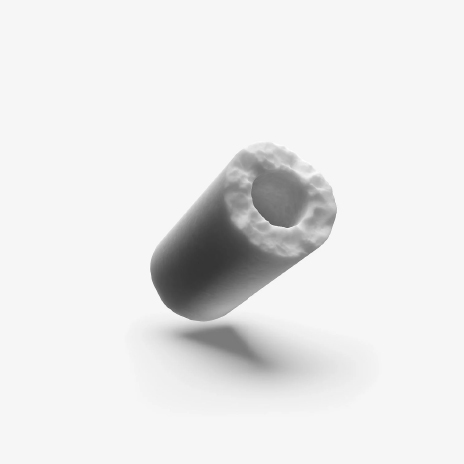
In the specialized world of adsorption and separation technologies, molecular sieves stand as indispensable materials that enable countless industrial processes. These crystalline aluminosilicates with precisely engineered pore structures selectively capture molecules based on size and polarity, making them essential for drying gases and liquids, purifying feed streams, and separating hydrocarbon mixtures. As global demand for high-purity products and efficient processing continues to rise, the role of molecular sieve suppliers has become increasingly critical to industrial success.
Chempack, with over three decades of experience in material technologies and adsorbent manufacturing, has earned recognition as a leading supplier of molecular sieve materials to industries worldwide. This article explores what distinguishes a premier molecular sieve supplier and how Chempack’s expertise, quality systems, and customer focus have established our position in this competitive market.
The Critical Role of Molecular Sieves in Modern Industry
Molecular sieves are more than simple drying agents. They are sophisticated engineering materials that solve complex separation challenges across the industrial landscape. In natural gas processing, they remove water and contaminants to prevent pipeline corrosion and hydrate formation. In petrochemical production, they separate normal from branched paraffins to optimize feedstock quality. In air separation, they purify feed streams before cryogenic distillation. In refrigeration and HVAC systems, they protect against moisture damage. In pharmaceutical manufacturing, they ensure solvent dryness for sensitive reactions.
The unique value of molecular sieves lies in their selectivity. Unlike bulk adsorbents that capture everything indiscriminately, molecular sieves admit only molecules smaller than their uniform pore openings. This size-based exclusion enables separations that would otherwise require energy-intensive distillation or chemical consumption. A three angstrom sieve admits water but excludes larger molecules, making it perfect for drying unsaturated hydrocarbons without removing valuable components. A five angstrom sieve admits normal paraffins but excludes branched and cyclic hydrocarbons, enabling separation of linear from branched molecules for improved fuel properties.
This selectivity, combined with high adsorption capacity, thermal stability, and regenerability, makes molecular sieves the preferred choice for thousands of applications. The global molecular sieve market continues to expand as industries recognize their value and as new applications emerge in renewable energy, carbon capture, and sustainable processing.
What Defines a Leading Molecular Sieve Supplier
Becoming a recognized leader in molecular sieve supply requires excellence across multiple dimensions. It demands deep technical understanding of adsorption science and material synthesis. It requires robust manufacturing capabilities that deliver consistent quality at commercial scale. It necessitates comprehensive quality systems that verify performance and ensure reliability. It calls for extensive application knowledge that enables customers to select and apply the right products. And it demands responsive customer support that addresses challenges and optimizes performance.
Technical Expertise and Material Science Foundation
At the core of any leading supplier’s capabilities is fundamental understanding of zeolite chemistry and adsorption phenomena. Molecular sieves are complex materials whose performance depends on precise control over crystal structure, pore size distribution, cation exchange, and binder formulation. Small variations in synthesis conditions can significantly affect adsorption capacity, selectivity, and kinetics.
Chempack’s technical foundation rests on three decades of continuous research and development in adsorbent materials. Our specialized research and development team combines deep academic understanding with practical industrial experience, enabling us to optimize formulations for specific applications and troubleshoot performance issues when they arise. We understand not only how to manufacture molecular sieves but why they perform as they do, and this understanding translates into better products for our customers.
Manufacturing Excellence and Quality Control
Consistency is perhaps the most critical attribute of a leading molecular sieve supplier. Industrial processes operate continuously, often for years between turnarounds, and rely on predictable adsorbent performance. Batch-to-batch variation that might be acceptable in other materials can cause significant problems in adsorption systems, leading to premature breakthrough, reduced capacity, or operational upsets.
Chempack’s manufacturing facilities employ advanced process control systems that maintain tight tolerances on critical parameters throughout the synthesis, forming, and activation stages. Raw materials are carefully selected and tested before use. In-process sampling verifies that each batch meets specifications before proceeding to subsequent steps. Finished products undergo comprehensive testing including adsorption capacity, crush strength, attrition resistance, and pore size distribution before release for shipment.
This commitment to quality extends beyond our own facilities to our raw material suppliers and logistics partners. We audit key suppliers to ensure their quality systems meet our standards, and we work with transportation providers who understand the importance of protecting hygroscopic materials from moisture during transit.
Comprehensive Product Portfolio
A leading supplier must offer the full range of molecular sieve types and forms that customers require. Different applications demand different pore sizes, different cation forms, and different physical configurations. Customers should not have to source from multiple suppliers to meet their diverse needs.
Chempack’s molecular sieve portfolio encompasses all major types including three angstrom, four angstrom, five angstrom, and thirteen X formulations. We offer these materials in multiple forms optimized for different applications: beads for fixed-bed systems where pressure drop matters, pellets for high-strength requirements, powders for specialized applications and as catalyst components. We also provide specialty grades including binderless sieves with enhanced capacity, cation-exchanged variants for specific separations, and custom formulations for unique requirements.
This comprehensive portfolio means customers can rely on Chempack as a single source for all their molecular sieve needs, simplifying procurement and ensuring consistent quality across applications.
Application Knowledge and Technical Support
Even the best molecular sieve will fail to perform if improperly selected or applied. Different applications require different pore sizes, different adsorption characteristics, and different regeneration conditions. A sieve that works perfectly for drying natural gas may be entirely unsuitable for removing carbon dioxide from the same stream. Understanding these nuances requires deep application knowledge.
Chempack’s technical team brings decades of experience across the industries we serve. We understand natural gas processing, petrochemical production, refinery operations, industrial gas separation, and pharmaceutical manufacturing. We know the common contaminants, the typical operating conditions, and the performance requirements of each application. This knowledge enables us to guide customers toward the optimal sieve type and grade for their specific needs.
Beyond initial selection, we provide ongoing technical support throughout the adsorbent lifecycle. We assist with loading procedures to ensure proper bed packing and minimize attrition. We help optimize regeneration cycles to maximize sieve life and reduce energy consumption. We troubleshoot performance issues when they arise, using our understanding of adsorption phenomena to identify root causes and recommend corrective actions.
Supply Chain Reliability and Global Reach
Industrial customers cannot afford adsorbent supply disruptions. A shutdown caused by delayed sieve delivery can cost far more than the value of the adsorbent itself. Leading suppliers must demonstrate supply chain reliability that gives customers confidence in continuous operation.
Chempack maintains strategic inventory positions that buffer against manufacturing disruptions and transportation delays. Our relationships with multiple raw material sources provide flexibility when individual suppliers face challenges. Our logistics network reaches customers worldwide, with shipping expertise that ensures products arrive in optimal condition regardless of destination.
This supply chain reliability, combined with manufacturing capacity that can scale to meet customer needs, provides the assurance that industrial operators require when selecting adsorbent suppliers.
Chempack’s Quality Systems and Certifications
Quality is not an abstract concept at Chempack but a systematic discipline embedded throughout our organization. Our quality management system encompasses every aspect of our operations, from raw material sourcing through final product shipment.
Raw Material Control
Molecular sieve quality begins with raw materials. The alumina and silica sources that provide the building blocks for zeolite synthesis must meet strict purity specifications to ensure consistent crystal formation and adsorption properties. Our quality system includes comprehensive testing of incoming raw materials, with acceptance criteria developed through years of correlation with final product performance. Only materials meeting these criteria proceed to manufacturing.
In-Process Monitoring
Zeolite synthesis involves complex chemistry where small variations in temperature, pressure, concentration, or timing can affect final properties. Our manufacturing processes incorporate extensive in-process monitoring that verifies critical parameters throughout each batch. Operators track crystal growth, monitor pH and composition, and sample intermediate products to confirm they meet specifications before proceeding to subsequent steps. This real-time quality control enables adjustments before problems affect finished product.
Finished Product Testing
Every batch of molecular sieves undergoes comprehensive testing before release for shipment. Adsorption capacity is verified using standard test methods that simulate application conditions. Mechanical properties including crush strength and attrition resistance are measured to ensure durability during handling and operation. Pore size distribution is confirmed to guarantee selectivity. Moisture content is controlled to specified levels, with packaging designed to maintain low moisture until use.
Traceability and Documentation
Chempack maintains complete traceability for every batch of molecular sieves we produce. Raw material lots, manufacturing conditions, quality test results, and shipment details are recorded and retained. Customers receive certificates of analysis documenting actual test results for their specific batches. This traceability supports quality investigations, enables correlation of performance with manufacturing parameters, and provides confidence in product consistency.
Applications and Industries Served
Chempack’s molecular sieves find application across the full spectrum of industries that rely on adsorption technology. Our products dry natural gas in major producing regions, purify feed streams in petrochemical complexes, protect refrigeration systems in commercial facilities, and enable separations in specialty chemical manufacturing.
Natural Gas Processing
In natural gas processing, molecular sieves remove water vapor that would otherwise form hydrates and corrode pipelines. They also adsorb hydrogen sulfide, carbon dioxide, and mercaptans to meet pipeline specifications and protect downstream equipment. Chempack’s four angstrom and thirteen X sieves are widely used in gas dehydration units, while specialty grades address specific contaminant removal requirements.
Petrochemical Production
Petrochemical processes demand high-purity feedstocks and precise separations. Molecular sieves dry olefin streams before polymerization, removing moisture that would poison catalysts and degrade product quality. They separate normal from isoparaffins to improve gasoline octane and provide feedstock for detergent production. They purify hydrogen for use in hydroprocessing and other applications. Chempack’s five angstrom sieves are particularly valued for paraffin separation applications.
Refrigeration and HVAC
Refrigeration systems rely on molecular sieves to remove moisture and acid-forming compounds that can freeze at expansion valves and corrode system components. Liquid line driers, suction line driers, and filter driers all incorporate molecular sieves as the active desiccant. Chempack supplies both bulk desiccant for drier manufacturers and pre-charged driers to the aftermarket.
Industrial Gas Production
Air separation plants, hydrogen production units, and other industrial gas facilities use molecular sieves to purify feed streams before processing. They remove water, carbon dioxide, and hydrocarbons from air before cryogenic distillation. They dry and purify hydrogen from reforming operations. They treat helium, argon, and other specialty gases to meet customer specifications.
Pharmaceutical and Fine Chemical Manufacturing
Pharmaceutical synthesis often requires anhydrous conditions that only molecular sieves can reliably provide. Solvent drying, reagent purification, and intermediate storage all benefit from the consistent, predictable performance of high-quality sieves. Chempack’s pharmaceutical-grade sieves meet the stringent requirements of Good Manufacturing Practices, with documentation supporting regulatory compliance.
Emerging Applications
As new technologies emerge, molecular sieves find new applications. In renewable energy, they dry biogas for upgrading to pipeline quality and purify hydrogen for fuel cell applications. In carbon capture, they adsorb carbon dioxide from flue gas and process streams. In advanced manufacturing, they provide ultra-dry environments for sensitive processes. Chempack’s research and development team works with customers to develop optimized sieve formulations for these emerging applications.
The Chempack Difference: Why Customers Choose Us
In a competitive market with many molecular sieve suppliers, customers consistently choose Chempack for several compelling reasons.
Uncompromising Quality
Quality is not just a slogan at Chempack but a fundamental commitment embedded in our culture. Every employee understands that our reputation depends on the consistent performance of our products. This quality focus extends from the scientists who develop new formulations to the operators who monitor manufacturing processes to the technicians who test finished products. The result is molecular sieves that perform as expected, batch after batch, year after year.
Technical Depth
Our customers value the technical expertise we bring to every interaction. When they have questions about sieve selection, we provide answers based on deep understanding rather than guesswork. When they encounter performance issues, we help diagnose root causes and implement solutions. When they consider new applications, we share insights from our experience across industries. This technical partnership adds value far beyond the products we supply.
Customer Responsiveness
Industrial operations cannot wait for slow responses. When customers need information, samples, or orders, they need them promptly. Chempack’s organization is structured for responsiveness, with decision-making authority distributed to those closest to customers. Our sales and technical teams work together to address customer needs quickly and completely.
Long-Term Partnership Perspective
We view each customer relationship as a long-term partnership rather than a series of transactions. This perspective shapes how we approach pricing, delivery, technical support, and problem resolution. We invest in understanding our customers’ businesses, their challenges, and their objectives. We work collaboratively to optimize adsorbent performance and total cost of ownership. And we stand behind our products with commitments that reflect our confidence in their quality.
Sustainability and Responsible Manufacturing
As environmental concerns become increasingly central to industrial decision-making, Chempack is committed to sustainable and responsible manufacturing practices. We continuously work to reduce energy consumption in our synthesis and activation processes. We minimize waste through efficient manufacturing and recycling programs. We design products for long life and regenerability, reducing the environmental footprint of adsorption systems.
Our molecular sieves enable our customers’ sustainability initiatives as well. By improving process efficiency, they reduce energy consumption and emissions. By enabling separations that replace energy-intensive distillation, they lower carbon footprints. By purifying renewable fuel streams, they support the transition to cleaner energy sources.
The Future of Molecular Sieve Technology
As we look toward the future, Chempack continues to invest in molecular sieve research and development. We see significant opportunities for advanced materials that address emerging challenges.
Higher capacity sieves will enable smaller equipment and lower capital costs for adsorption systems. Improved selectivity will allow separations that are currently impractical or impossible. Enhanced stability will extend operating life in demanding applications. New compositions will address contaminant removal challenges that current materials cannot solve.
We are also exploring the integration of molecular sieves with other technologies. Hybrid systems combining adsorption with membranes, catalysis, or other separations offer potential for step-change improvements in process efficiency. Functionalized sieves with tailored surface chemistry can address specific separation challenges. Structured adsorbents with engineered macropore networks can improve kinetics and reduce pressure drop.
Through continued investment in research and development, Chempack will remain at the forefront of molecular sieve technology, delivering innovative solutions to our customers’ evolving needs.
Conclusion
Recognition as a leading supplier of molecular sieve materials is not granted lightly. It must be earned through years of consistent performance, technical excellence, and customer focus. Chempack has earned this recognition by delivering molecular sieves that perform as promised, supported by expertise that helps customers succeed, and backed by service that demonstrates genuine commitment to partnership.
For over three decades, we have served industries ranging from natural gas processing to pharmaceutical manufacturing, from petrochemical production to industrial gas separation. Our molecular sieves have dried, purified, and separated countless streams, enabling our customers to produce higher quality products with greater efficiency.
As we look to the future, we remain committed to the principles that have guided us since our founding: technical excellence, uncompromising quality, responsive service, and long-term partnership. These principles will continue to distinguish Chempack as a leading supplier of molecular sieve materials for generations to come.
For more information about our molecular sieve products and how they can benefit your specific application, please contact our technical team. We welcome the opportunity to discuss your adsorption challenges and demonstrate why Chempack is recognized as a leading supplier in this essential industry.