Catalyst supports play a fundamental yet often underappreciated role in modern industrial chemistry. While the active catalytic components receive most of the attention, the support materials that carry, disperse, and stabilize these active species are equally critical to process performance, economics, and sustainability. From petroleum refining to emerging circular economy technologies, catalyst supports enable the efficient transformations that produce fuels, chemicals, and materials essential to modern life.
This comprehensive analysis explores the top applications of catalyst supports across key industrial sectors, examining how these materials function, why they are chosen, and how they are evolving to meet the challenges of tomorrow’s chemical industry.
Understanding Catalyst Supports: Function and Fundamentals
Catalyst support materials serve multiple essential functions in heterogeneous catalysis. Their primary role is to provide a high surface area platform for dispersing catalytically active components, maximizing the number of accessible active sites per unit mass of often-expensive catalytic metals. This dispersion function is particularly critical for precious metal catalysts where maximizing surface-to-volume ratio directly impacts process economics.

Beyond simple dispersion, supports contribute to catalytic performance in several ways. They provide mechanical strength and structural integrity, allowing catalyst particles to withstand the physical stresses of industrial reactors including pressure drops, thermal cycling, and mechanical agitation. They can participate directly in the catalytic mechanism through metal-support interactions that modify the electronic properties of active sites or by providing complementary functionality such as acid-base sites. They also facilitate heat transfer within catalyst beds, crucial for managing exothermic or endothermic reactions.
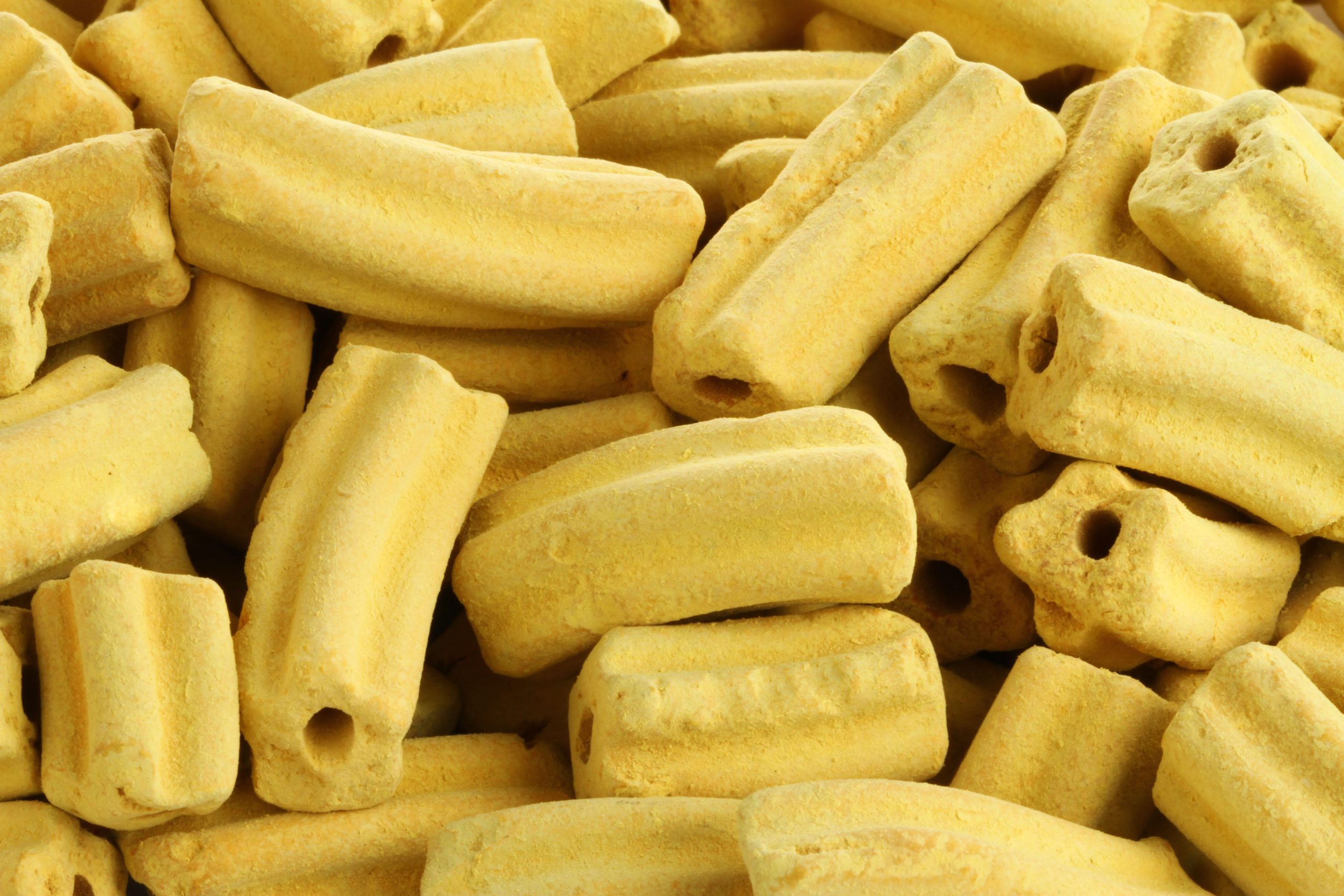
The selection of an appropriate support material depends on multiple factors including the specific reaction chemistry, operating conditions, reactor type, and regeneration requirements. Common support materials include alumina, silica, titania, zirconia, zeolites, and various forms of carbon, each offering distinct combinations of surface area, porosity, thermal stability, and surface chemistry.
Petroleum Refining: The Foundation Application
Petroleum refining represents the largest and most established application area for catalyst supports, consuming substantial quantities across multiple process units.
Catalytic Reforming
In catalytic reforming, which converts low-octane naphtha into high-octane reformate for gasoline blending, catalyst supports must withstand extreme conditions including high temperatures and hydrogen partial pressures. Alumina supports dominate this application, with gamma-alumina providing the optimal combination of surface area, thermal stability, and interaction with platinum and rhenium active metals.
The support’s acidity must be carefully controlled to balance the desired dehydrogenation and isomerization reactions against unwanted cracking that would reduce liquid yields. Modern reforming catalysts employ chloride-modified alumina supports where acid site density and strength are precisely tuned through careful manufacturing control.
Hydroprocessing
Hydrodesulfurization, hydrodenitrogenation, and hydrodemetallation processes rely on supported catalysts, typically cobalt-molybdenum or nickel-molybdenum sulfides dispersed on high-surface-area alumina. These supports must provide adequate pore structure to accommodate large feed molecules while resisting fouling by metals and coke.
Recent innovations include graded catalyst bed systems where specialized support materials at the reactor inlet trap contaminants before they reach the main catalyst bed. These sacrificial supports extend main bed life and improve overall process economics, particularly when processing heavier, dirtier feedstocks.
Fluid Catalytic Cracking
Fluid catalytic cracking, the workhorse of modern refineries for converting vacuum gas oil into gasoline and light olefins, uses zeolite-based catalysts where the zeolite crystals are embedded in a matrix of clay, alumina, and silica. This matrix serves multiple support functions: it provides physical strength to resist attrition in the fluidized bed, facilitates heat transfer between the regenerator and reactor, and enables mass transport of large feed molecules to the zeolite active sites.
The matrix composition significantly influences catalyst performance, affecting everything from bottoms cracking to metal tolerance. Research continues into optimized matrix formulations that enhance selectivity while maintaining the mechanical integrity required for circulating fluidized bed operation.
Petrochemical Production: Expanding Horizons
Beyond refining, catalyst supports find extensive application in petrochemical processes that convert basic feedstocks into building blocks for polymers, fibers, and specialty chemicals.
Steam Reforming and Hydrogen Production
Steam methane reforming, the primary route to hydrogen and synthesis gas, employs nickel catalysts supported on alpha-alumina, calcium aluminate, or magnesium aluminate. These supports must withstand extreme temperatures and steam partial pressures while maintaining mechanical strength and resisting nickel sintering.
The support plays an active role in this application, with its basicity influencing carbon formation tendencies that can deactivate catalysts and plug reactors. Modern reforming catalyst supports incorporate stabilizers that inhibit nickel aluminate formation while maintaining the high surface area needed for activity.
Ethylene Oxide Production
Silver catalysts supported on alpha-alumina with carefully controlled promoters produce ethylene oxide from ethylene and oxygen. This application demands exceptional selectivity control, with support properties critically influencing silver particle size, morphology, and electronic state.
The low-surface-area alpha-alumina supports used in this application must be manufactured with precise pore structure to optimize reactant diffusion while minimizing pressure drop. Cesium and other alkali promoters are typically added to the support to enhance selectivity by modifying silver’s electronic properties.
Selective Hydrogenation
Removing trace acetylene, diolefins, and other impurities from olefin streams requires selective hydrogenation catalysts where palladium is dispersed on alumina or other supports. The support’s pore structure must balance accessibility for reactants against the need to prevent pore-mouth poisoning by green oil and other heavy byproducts.
Support acidity requires careful control in these applications to prevent unwanted oligomerization reactions that can foul catalysts and reduce product purity.
Manufacturers have developed specialized low-acidity supports tailored specifically for selective hydrogenation service.
Environmental Catalysis: Meeting Regulatory Demands
Environmental applications have emerged as major consumers of supported catalysts, with supports playing increasingly sophisticated roles in emission control systems.
Automotive Catalytic Converters
Three-way catalysts for gasoline vehicles use washcoats of high-surface-area gamma-alumina, ceria-zirconia, and other materials applied to ceramic or metallic monolith substrates. These washcoats disperse platinum, palladium, and rhodium while providing oxygen storage capacity through ceria-based components that buffer air-fuel ratio fluctuations.
The support system must withstand extreme thermal aging, with temperatures reaching one thousand degrees Celsius during high-load operation. Modern formulations incorporate stabilizers such as lanthanum and barium to retard alumina phase transformation and surface area loss.
Diesel Emission Control
Diesel oxidation catalysts, selective catalytic reduction catalysts, and diesel particulate filters all rely on sophisticated support architectures. Vanadia-based SCR catalysts use titania supports that resist sulfation while providing the acidic sites needed for ammonia adsorption and NOx reduction.
For the copper- and iron-zeolite SCR catalysts increasingly used in modern systems, the zeolite support itself provides the framework for ion-exchanged active metals while contributing hydrothermal stability essential for survival during filter regeneration events.
Industrial Off-Gas Treatment
Volatile organic compound abatement, nitrogen oxide reduction, and carbon monoxide oxidation in industrial settings employ supported precious metal catalysts on various support forms. Structured supports including honeycomb monoliths and metal foams are increasingly used to minimize pressure drop while maintaining good mass transfer characteristics.
Syngas Conversion and Fischer-Tropsch Synthesis
Converting synthesis gas derived from coal, natural gas, or biomass into liquid fuels and chemicals represents another major application for supported catalysts.
Fischer-Tropsch synthesis, which converts carbon monoxide and hydrogen into hydrocarbon waxes and liquids, employs cobalt or iron catalysts on supports including alumina, silica, and titania. The support influences critical performance parameters including cobalt reducibility, dispersion, and resistance to deactivation by water generated during the reaction.
For cobalt-based Fischer-Tropsch catalysts, support porosity must balance the need for high metal loadings against diffusion limitations that can reduce selectivity to desired products. Research continues into optimized support architectures, including hierarchical pore structures that combine high surface area with enhanced transport properties.
Methanol synthesis, another syngas conversion process, uses copper-zinc oxide catalysts supported on alumina. The support here participates actively in the catalytic mechanism, with strong metal-support interactions essential for maintaining high copper dispersion and activity.
Polymerization Catalysis: The Support Matters
Supported catalysts revolutionized the polyolefin industry, enabling precise control over polymer properties while simplifying process operations.
Phillips Chromium Catalysts
Phillips-type polyethylene catalysts use chromium oxides supported on high-surface-area silica. The support’s surface chemistry critically influences chromium speciation and polymerization behavior, with silica hydroxyl group density and distribution affecting final polymer properties.
Manufacturers have developed sophisticated methods for modifying silica supports through thermal treatment, chemical doping, and other techniques to achieve desired polymer characteristics including molecular weight distribution and comonomer incorporation.
Ziegler-Natta Catalysts
Modern Ziegler-Natta catalysts for polypropylene and polyethylene use magnesium chloride as a support for titanium chloride active sites. The magnesium chloride support’s unique crystal structure enables high titanium dispersion and creates the stereospecific environment needed for isotactic polypropylene production.
Support preparation has become a highly sophisticated art, with control over crystallite size, morphology, and porosity enabling production of polymer particles with controlled size and shape for optimal processability.
Metallocene Catalysts
Single-site metallocene catalysts for specialty polyolefins are typically supported on silica or alumina to enable their use in existing gas-phase and slurry processes. Support chemistry significantly influences catalyst performance, with surface treatments often required to prevent catalyst deactivation or modify polymer properties.
Fine Chemicals and Pharmaceutical Synthesis
Supported catalysts are increasingly important in the production of fine chemicals and pharmaceutical intermediates, where they enable cleaner, more selective transformations with simplified product isolation.
Hydrogenation Catalysts
Precious metal hydrogenation catalysts including palladium on carbon, platinum on carbon, and ruthenium on alumina are workhorses of pharmaceutical synthesis. Activated carbon supports offer high surface area, chemical inertness, and ease of catalyst separation by filtration.
The carbon support’s pore structure must balance accessibility for often-bulky substrate molecules against the need for high metal dispersion. Surface chemistry also matters, with oxygen-containing functional groups influencing metal deposition and catalytic behavior.
Oxidation Catalysts
Supported gold, platinum, and palladium catalysts find increasing application in selective oxidation of alcohols, aldehydes, and other functional groups. Titania and ceria supports are particularly effective for gold catalysts, with strong metal-support interactions essential for achieving high activity in reactions including carbon monoxide oxidation and alcohol dehydrogenation.
Chiral Catalysis
Efforts to heterogenize homogeneous chiral catalysts have produced supported systems where chiral ligands or complexes are tethered to inorganic supports including silica, alumina, and magnetic nanoparticles. These systems combine the selectivity advantages of homogeneous catalysis with the ease of separation characteristic of heterogeneous catalysts.
Emerging Applications and Future Directions
New applications for catalyst supports continue to emerge as the chemical industry evolves toward more sustainable feedstocks and processes.
Biorefining and Biomass Conversion
Processing biomass-derived feedstocks presents unique challenges that demand innovative support materials. The high oxygen content and thermal sensitivity of bio-oils require catalysts that operate at lower temperatures while resisting deactivation by water and mineral contaminants.
Acid-functionalized supports including sulfonated carbons and zirconia are finding application in biomass hydrolysis and dehydration reactions. Mesoporous materials with large pores accommodate the bulky molecules typical of biomass conversion, while hydrophobic supports resist deactivation by the water inevitably present in these systems.
Carbon Capture and Utilization
Supported catalysts are central to emerging carbon capture and utilization technologies. Catalysts for converting captured carbon dioxide into fuels and chemicals require supports that stabilize the active metal while facilitating activation of the stable carbon dioxide molecule.
Copper and ruthenium catalysts on supports including alumina, titania, and ceria show promise for carbon dioxide hydrogenation to methanol and methane. The support’s oxygen vacancy concentration and basicity influence carbon dioxide adsorption and activation, providing opportunities for performance optimization through careful materials design.
Electrocatalysis
The growing hydrogen economy and electrochemical production of chemicals are creating demand for supported electrocatalysts. Carbon supports, including advanced materials such as graphene and carbon nanotubes, provide the electrical conductivity essential for electrode operation while dispersing precious metal catalysts.
Metal oxide supports including titania and tin oxide are finding application in electrocatalytic oxygen evolution and other reactions where carbon’s oxidative stability is insufficient. These supports must combine electrical conductivity, corrosion resistance, and appropriate interaction with the active metal.
Chemical Recycling of Polymers
Emerging technologies for chemical recycling of waste plastics rely on supported catalysts to depolymerize polymers into monomers or valuable chemicals. Pyrolysis oil upgrading, polyolefin hydrogenolysis, and polyester methanolysis all require catalysts that can tolerate contaminated feedstocks while maintaining activity and selectivity.
Support selection critically influences catalyst performance in these applications, with acidity, pore structure, and stability against fouling all playing important roles. Zeolites and mesoporous materials are particularly promising for processing the complex mixtures characteristic of plastic waste streams.
Support Forms and Industrial Implementation
Beyond chemical composition, the physical form of catalyst supports significantly influences their industrial application.
Shaped Supports
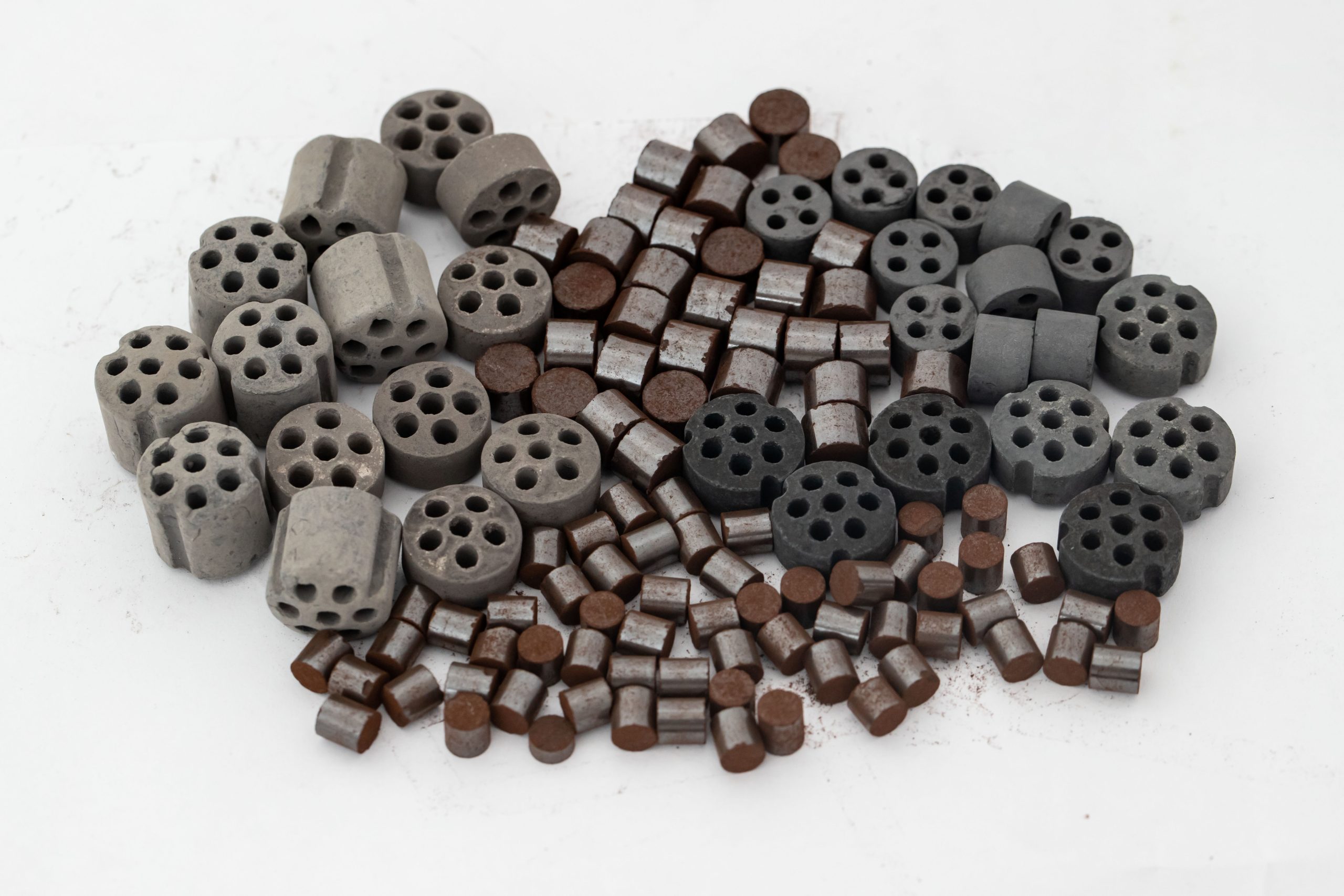
Catalyst supports are manufactured in various shapes optimized for different reactor types and process requirements. Spherical supports offer good flow characteristics and mechanical strength for fixed-bed applications. Extrudates in cylindrical, trilobe, or quadralobe shapes provide high geometric surface area with acceptable pressure drop. Tablets and pellets are used where high mechanical strength is essential.
Each shape represents a compromise between competing requirements including pressure drop, mass transfer, mechanical strength, and manufacturing cost. Modern support manufacturing enables precise control over shape, size distribution, and mechanical properties to meet specific process requirements.
Structured Supports
Monolithic honeycombs, foams, and other structured supports are increasingly used where low pressure drop and good mass transfer are essential. These supports, typically made of cordierite, silicon carbide, or metal, are coated with high-surface-area washcoats that carry the active catalyst.
Structured supports excel in applications including automotive emission control, where low backpressure is essential, and in highly exothermic or endothermic reactions where enhanced heat transfer improves temperature control.
Graded Catalyst Beds
Sophisticated reactor designs employ graded beds where multiple support types or catalyst formulations are arranged to optimize overall performance. Inert support balls at the reactor inlet and outlet distribute flow and protect the main catalyst bed. Guard beds with specialized supports trap contaminants before they reach the main catalyst.
These graded systems enable optimized performance across varying operating conditions and feed compositions, extending catalyst life and improving process economics.
Selection Criteria and Performance Optimization
Selecting the optimal catalyst support for a given application requires balancing multiple, often conflicting, requirements.
Surface Area and Porosity
High surface area enables good metal dispersion but may come with smaller pores that limit access for large molecules. The optimal pore structure depends on reactant molecular size, diffusion rates, and the need to resist deactivation by pore-mouth poisoning.
Bimodal pore structures combining micropores for high surface area with mesopores or macropores for enhanced transport are increasingly common in advanced catalyst supports.
Thermal and Hydrothermal Stability
Supports must maintain their properties under process conditions that may include high temperatures, steam, and aggressive chemical environments. Phase transformations, sintering, and surface area loss must be minimized through careful materials selection and the use of stabilizers.
Mechanical Strength
Catalyst particles must resist crushing under the weight of the bed, attrition from handling and thermal cycling, and erosion by high-velocity fluids. Mechanical property requirements vary significantly between fixed-bed, moving-bed, and fluidized-bed applications.
Surface Chemistry
The support’s surface functional groups, acid-base properties, and interaction with active metals influence catalytic performance through multiple mechanisms. Tailoring surface chemistry through doping, functionalization, or controlled pretreatment enables optimization for specific reactions.
Cost and Availability
Economic considerations ultimately determine support selection, with the optimal choice representing the best balance of performance and cost for the specific application. For large-volume applications, support cost is a major consideration, while for high-value specialty chemicals, performance often justifies premium-priced materials.
Chempack’s Expertise in Catalyst Supports
With over three decades of experience in catalyst technology and materials science, Chempack offers a comprehensive range of catalyst support products for diverse industrial applications. Our portfolio includes activated alumina supports in various shapes and specifications, inert ceramic balls for bed support and protection, specialty adsorbents for contaminant removal, and custom-formulated support materials for specific process requirements.
Our technical team provides expert support for support selection, catalyst loading, and performance optimization, drawing on deep understanding of the relationships between support properties and catalytic performance. Whether you operate a large refinery, a petrochemical complex, or a specialty chemical plant, Chempack can help you optimize your catalyst systems for maximum performance and economic return.
Conclusion
Catalyst supports are far more than inert carriers for active components. They are sophisticated engineering materials whose properties fundamentally influence catalytic performance, process economics, and operational reliability. From the alumina supports that enable petroleum refining to the advanced carbon materials powering the hydrogen economy, supports play essential roles across the entire spectrum of industrial catalysis.
As the chemical industry evolves toward more sustainable feedstocks and processes, the demands on catalyst supports will only increase. Biorefining, carbon capture and utilization, chemical recycling, and electrocatalysis all require support materials with tailored properties including controlled porosity, engineered surface chemistry, and enhanced stability under challenging conditions.
For industry participants, understanding the critical role of supports and selecting the optimal materials for each application will remain essential to competitive success. Manufacturers that invest in support technology development, that understand the complex relationships between support properties and catalytic performance, and that partner with experienced suppliers will be best positioned to capture value in the evolving industrial landscape.
Chempack remains committed to advancing catalyst support technology and supporting our customers’ success with high-quality products, technical expertise, and innovative solutions tailored to their evolving needs.

